
Rijeka, Croatia: The Quiet Coastal City You’re Overlooking
Croatia is often reduced to a predictable shortlist: Dubrovnik, Split, Plitviče and a handful of islands. And while they absolutely deliver, they also tend to concentrate most of the attention.
Rijeka is different.
It doesn’t try to impress you immediately. It doesn’t feel curated or overly touristy.
What makes Rijeka different
Rijeka sits somewhere between a stopover and a destination, making it an ideal stop after a road-trip across the country.
Here, you’re not moving through a place designed for visitors. You’re stepping into something more real, less filtered.
- Fewer crowds, even in peak season
- A more local pace
- No pressure to see all the sights
It’s not trying to sell you an idealised version of Croatia, and that makes it easier to enjoy. Rijeka offers something else entirely: less structure, less expectation, and less noise.
Depending on how you travel, that can either feel like a limitation — or exactly what you needed.
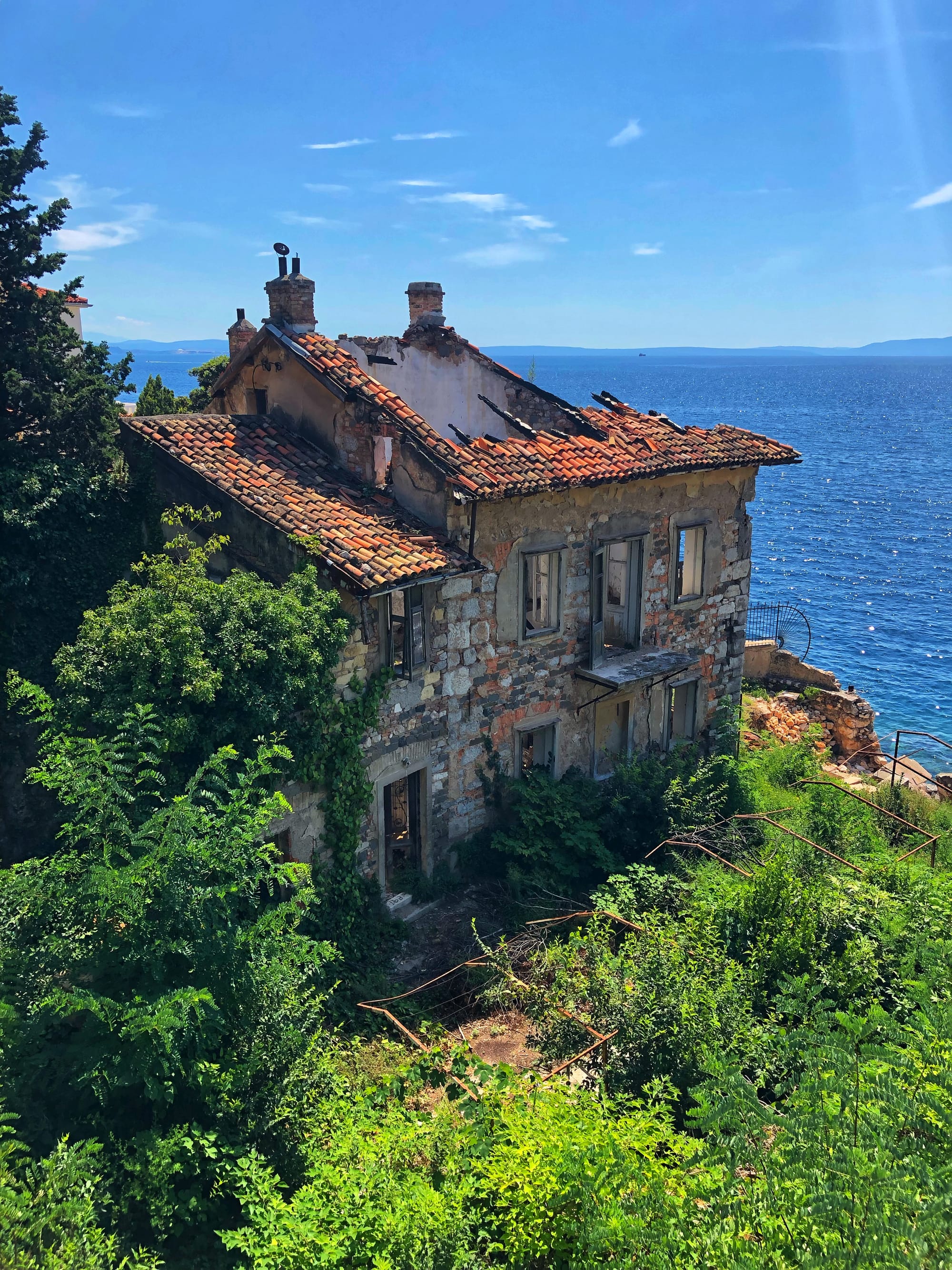
For a long time, Rijeka sat between different powers, most notably under Italy before becoming part of former Yugoslavia, and that layered past is still visible today. You’ll hear it in the language, see it in the architecture, and feel it in the mix of influences that don’t fully resolve into one identity. In some parts of the city, there are still buildings left damaged from World War II that have never been fully restored, just quietly existing alongside everyday life. It adds a certain weight to the place, without making it the focus.
Don't miss out on
Make sure to go up to Trsat Castle at least once. From the top, you get a clear view over Rijeka, the port, and the coastline, which puts everything into perspective. There’s also a small café inside the castle grounds, and it’s worth stopping for a coffee on the terrace - simple, but a good place to slow down and take in the view.
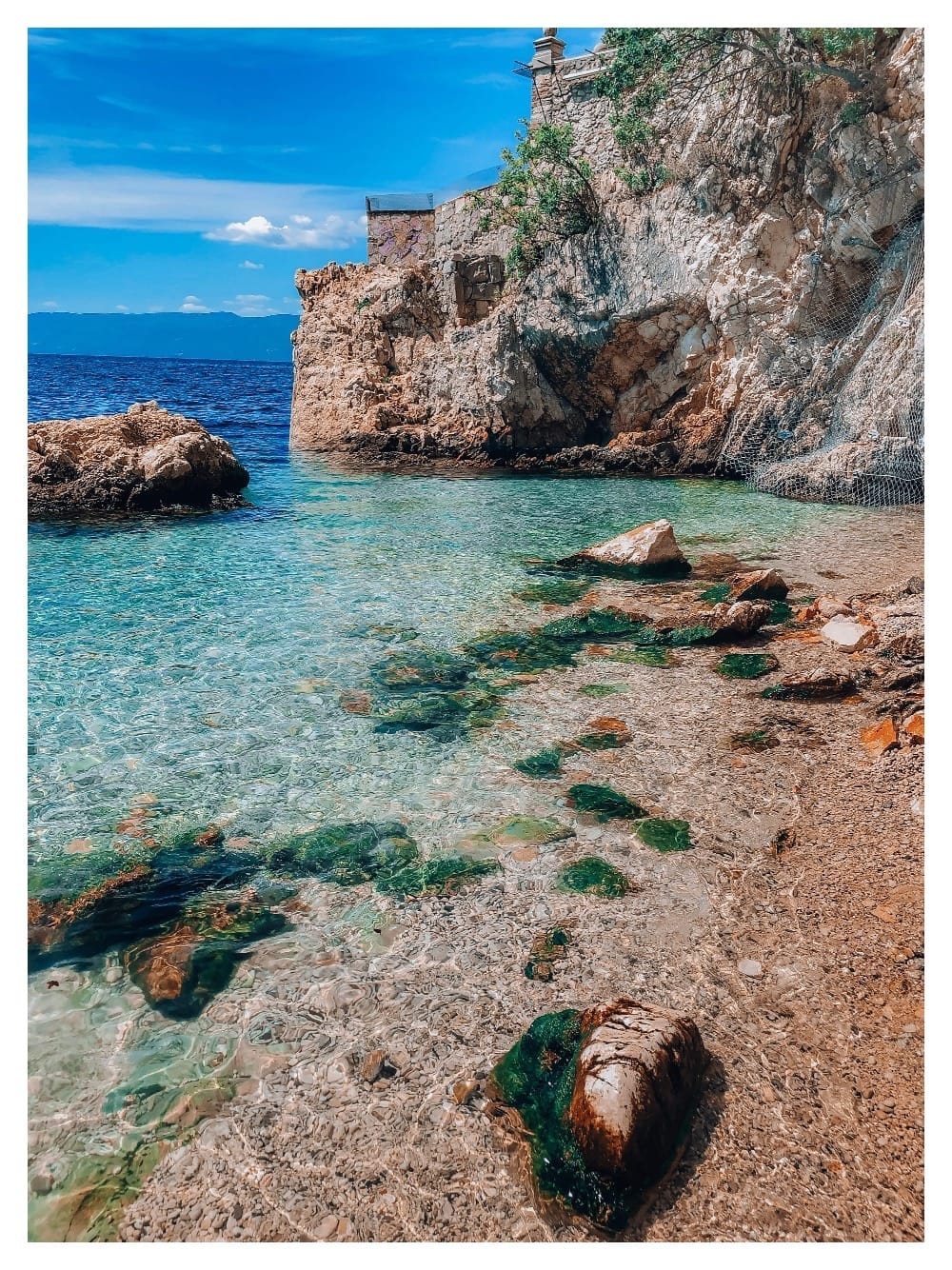
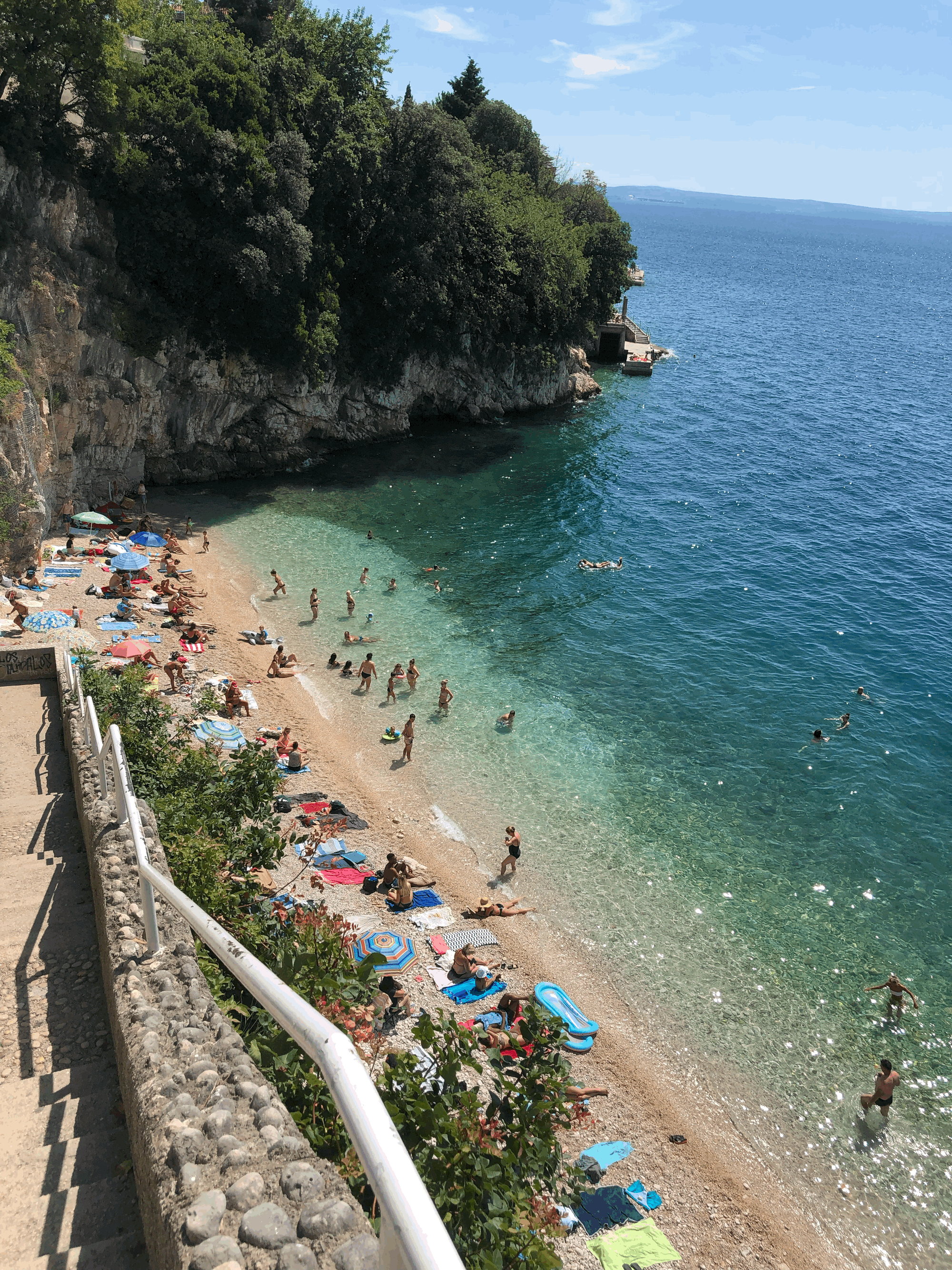
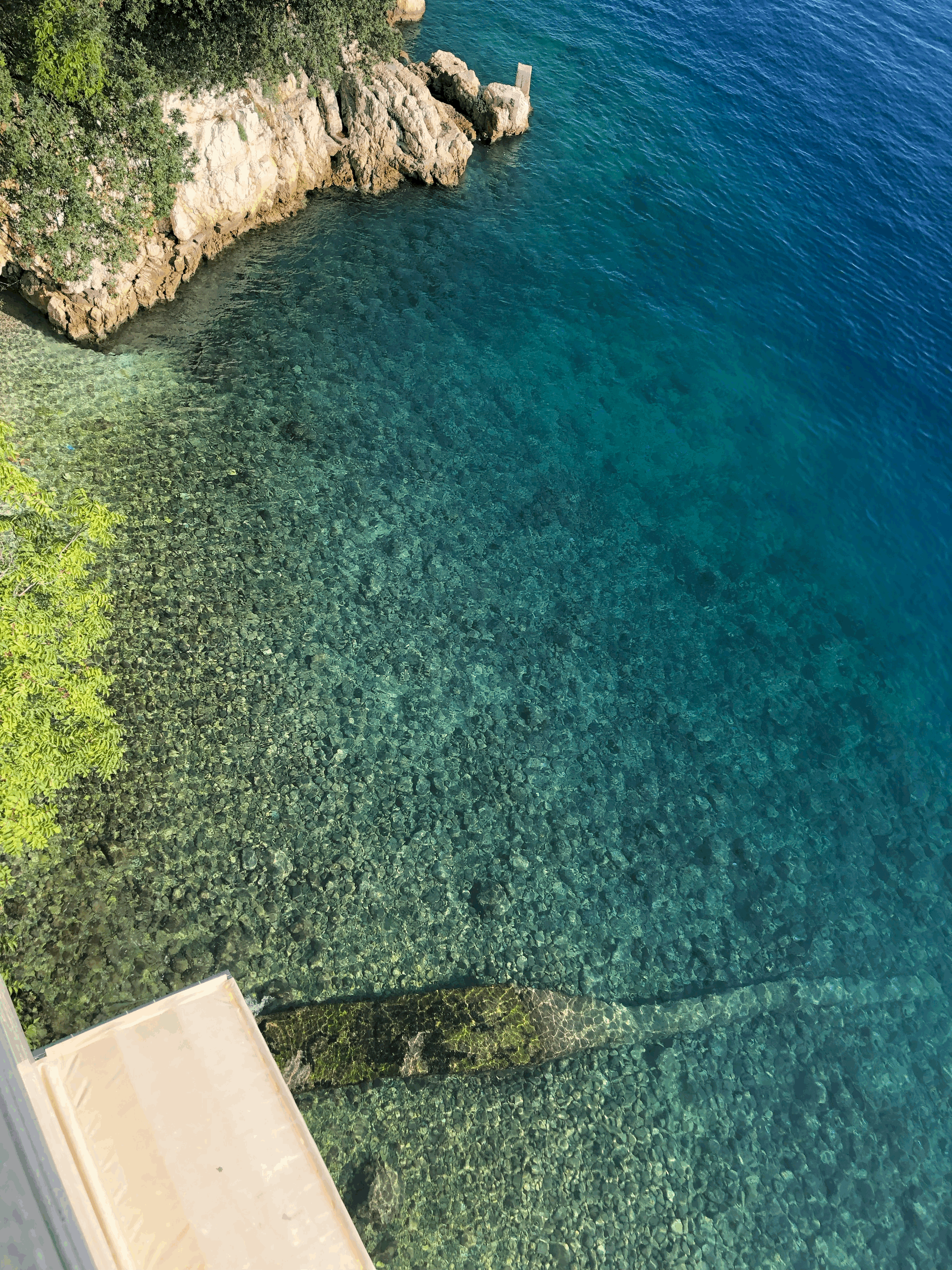
Slavićevo, Glavanovo and Plaža Pećine beaches are crystal clear waters that you cannot miss out on. The water is clear, the setting is simple, and there’s very little in terms of amenities, which is exactly what gives these spots their relaxed feel. If you’re travelling with a dog, Brajdica Dog Beach is also a good option.
Take a walk along the port near the city centre as well. It’s not polished, but that’s part of the appeal. You get a closer look at the working side of the city, with a mix of smaller boats and larger vessels coming and going. It gives you a better sense of what Rijeka actually is beyond the coastline.
Where to stay
We stayed just outside the city, within walking distance of Slavićevo, Glavanovo and Plaža Pećine beaches, close enough to reach the water easily, but far enough to avoid the busier parts of Rijeka. It ended up being a better balance than staying in the center, especially if your focus is spending time by the coast rather than moving in the city.
Rijeka works best if you don’t need a destination to perform for you. If you prefer slower days, less crowded places and a bit more independence in how you explore then it fits naturally.
It isn’t the kind of place that tries to stand out. It doesn’t compete with the rest of Croatia, and it doesn’t need to.
If anything, it offers a different pace, one that feels less fixed and easier to settle into. And in a country that’s increasingly defined by its highlights, that’s exactly what makes it worth your time.